
You generate designs with AI, but your catalog looks like a patchwork with no identity? Vibe design for merch fixes exactly that. Instead of starting from an empty prompt every time, you start from an ambiance — a "vibe" defined once — and produce all your visuals in that direction.
TL;DR
- A vibe is a style decision made once, reusable infinitely — palette, line, mood locked in.
- Consistency = a brand, not a pile of unrelated images. A recognizable catalog builds trust and converts.
- It beats random prompting on speed, identity and mental load — you change the subject, not the style.
- MintMerchs curated styles are ready-made vibes: pick one, describe your subject, generate.
What vibe design for merch means
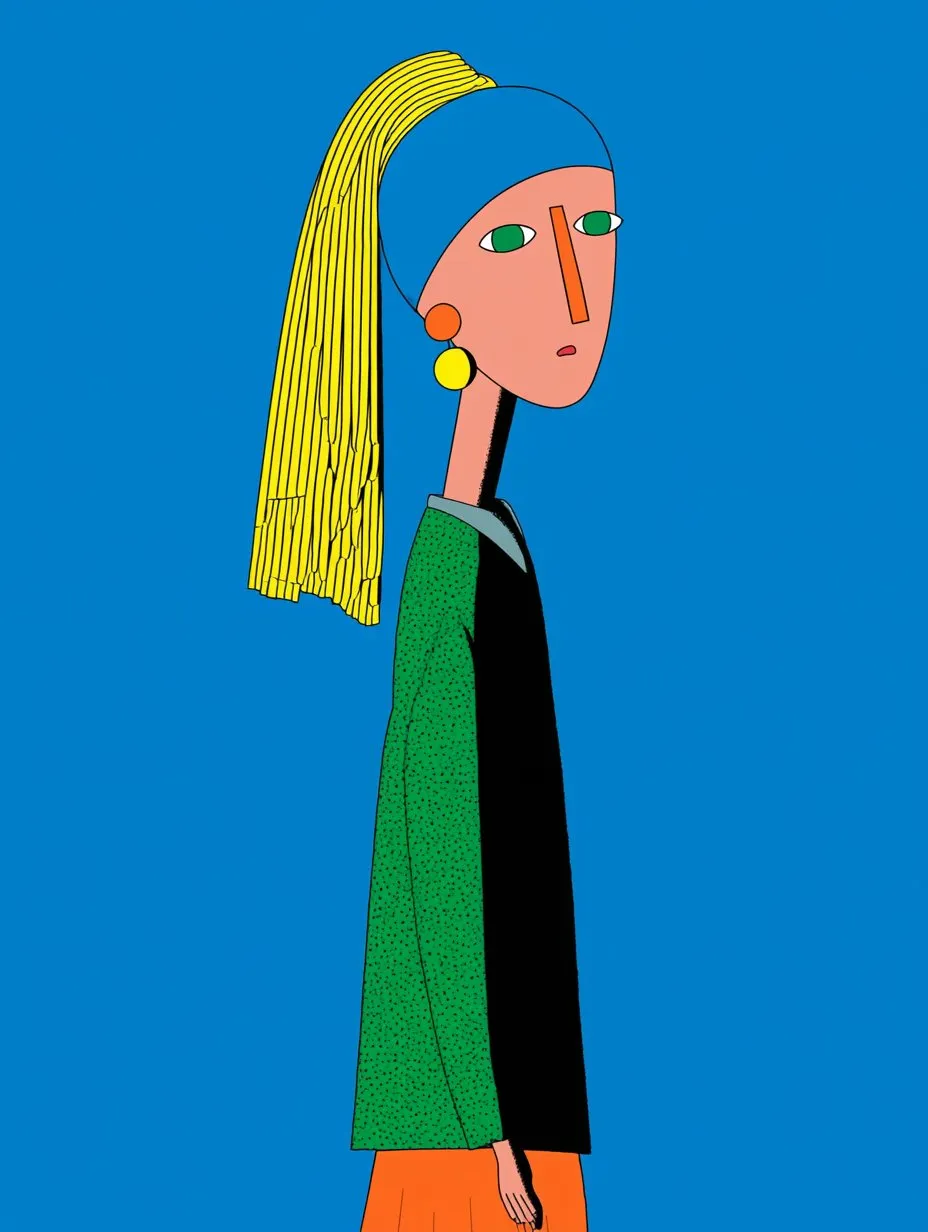
Vibe design means creating from an ambiance rather than a technical brief. You don't describe each design in detail: you choose a vibe — a coherent visual direction defined by a palette, a type of line, an atmosphere — and generate every visual within that frame.
Once the vibe is set, you can decline it across dozens of subjects — a fox, a mountain, a slogan — without ever losing consistency. That's what MintMerchs industrializes with its curated styles: each style is a ready-to-use vibe, so you get design-by-ambiance without rebuilding the settings every time.
Key point. A vibe is a decision made once, reusable infinitely. That's the difference between tinkering image by image and producing an actual collection.
Why solo shops adopt this approach
For a solo creator, time and consistency are the two scarcest resources. Vibe design attacks both at once.
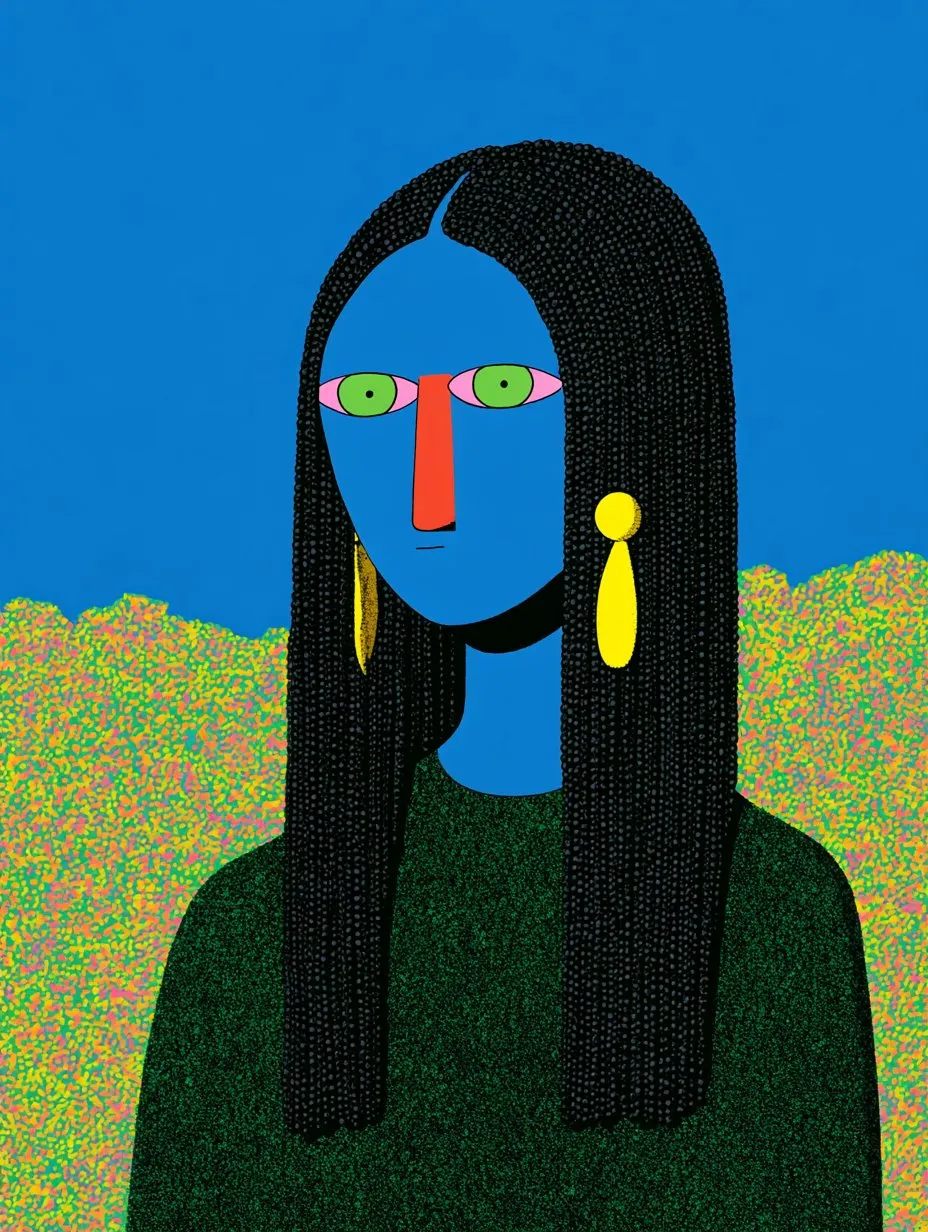
Speed. When the visual direction is already fixed, generating a new product comes down to changing the subject. A ten-product catalog gets built in one session instead of a week.
Catalog consistency. A shop where every product shares the same vibe looks instantly more professional and trustworthy. The buyer perceives a brand, not a stack of unrelated images — and a recognizable brand brings customers back.
Tip. Choose one vibe per collection, not one vibe per product. It's the repetition of a single visual world that creates the "brand" effect and drives multi-item purchases. New here? Start with our guide, How to launch an AI merch store.
Vibe design vs random prompt
Most beginners use AI in "random prompt" mode: a different description every time, accepting whatever comes out. It produces sometimes-pretty images, but never consistent ones. Two t-shirts from the same shop look like they came from two different worlds.
| Criterion | Random prompt | Vibe design |
|---|---|---|
| Consistency | Low, unpredictable | High by design |
| Production speed | Slow (restart each time) | Fast (you decline) |
| Brand identity | Diluted | Recognizable |
| Mental load | High per design | Focused on the subject |
| Catalog result | Patchwork | Collection |
Consistency
Random promptLow, unpredictableVibe designHigh by designProduction speed
Random promptSlow (restart each time)Vibe designFast (you decline)Brand identity
Random promptDilutedVibe designRecognizableMental load
Random promptHigh per designVibe designFocused on the subjectCatalog result
Random promptPatchworkVibe designCollection
Random prompting optimizes for "one nice isolated image". Vibe design optimizes for "a collection that sells". For a merch shop, the second is what counts: nobody buys an image, people buy a brand's world.
Watch out. Don't confuse variety with inconsistency. Varying subjects is good; varying the style on every product breaks your identity. Keep the vibe, change the subject.
Examples of MintMerchs vibes
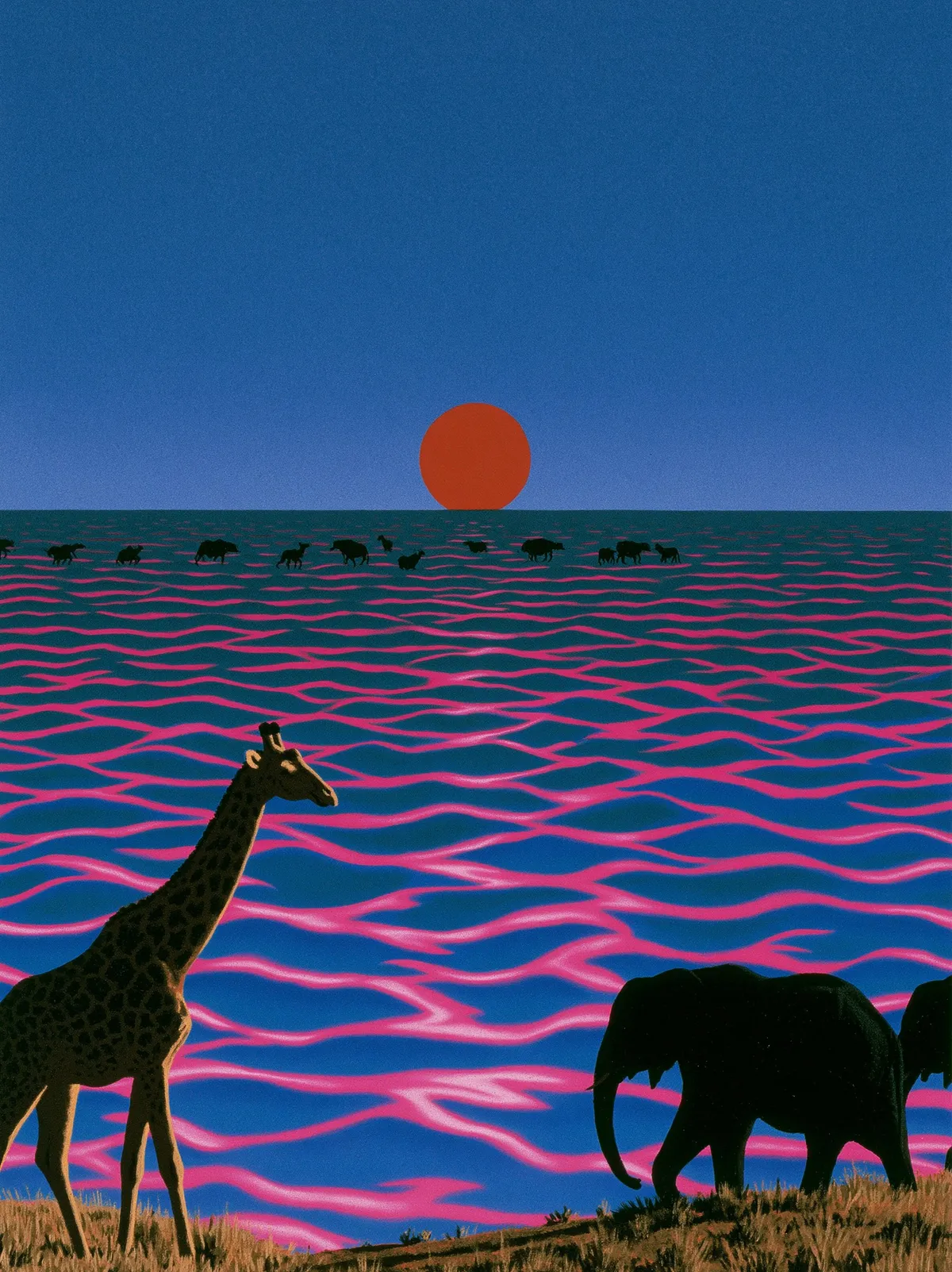
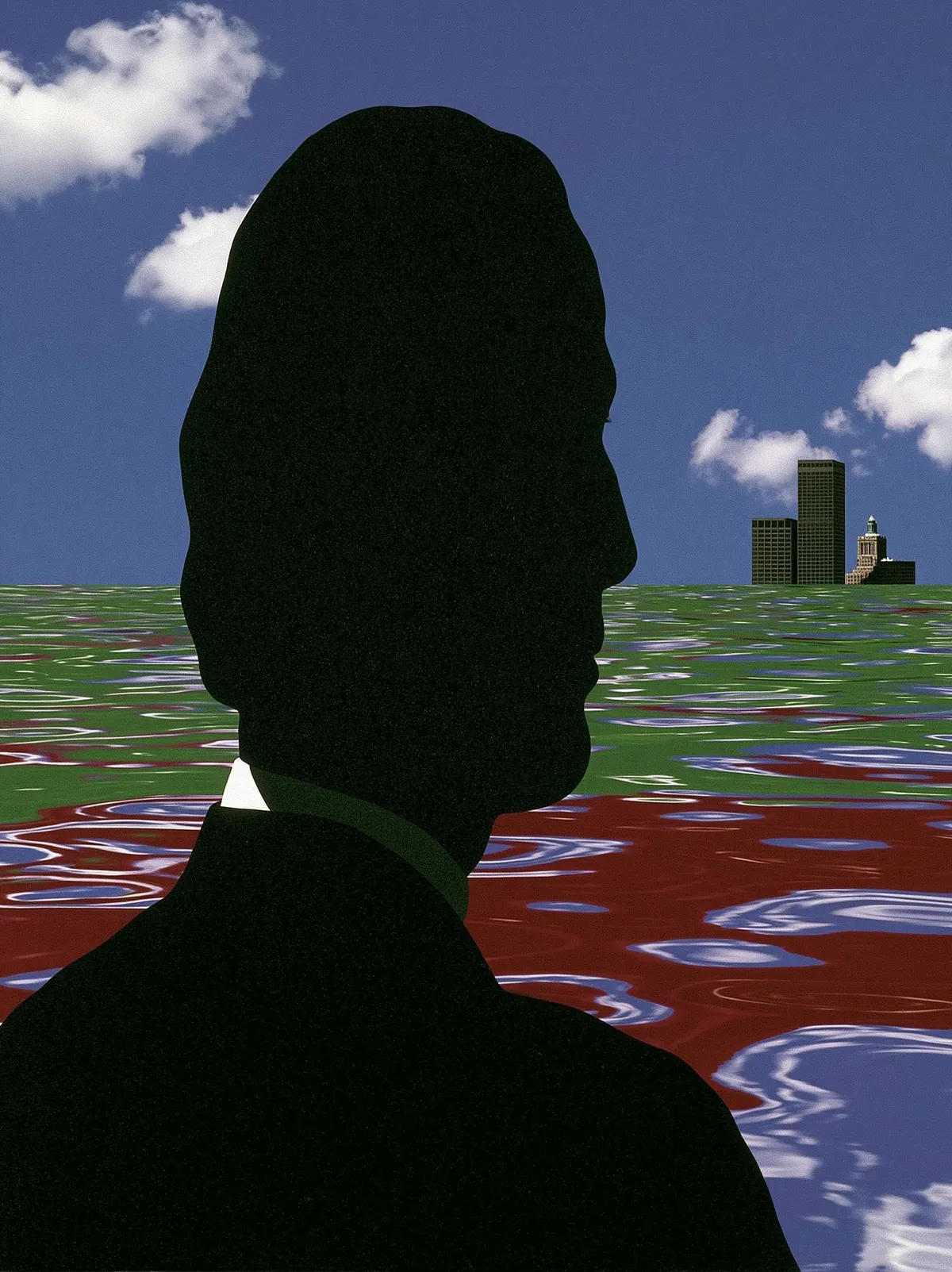
Nothing beats examples. Here are three curated vibes, each aimed at a different audience. Notice how, inside a style, everything holds together — that's a vibe.
Safari Nature (electric red)
Dreamlike Blue-Red
Retro Sailor Wave
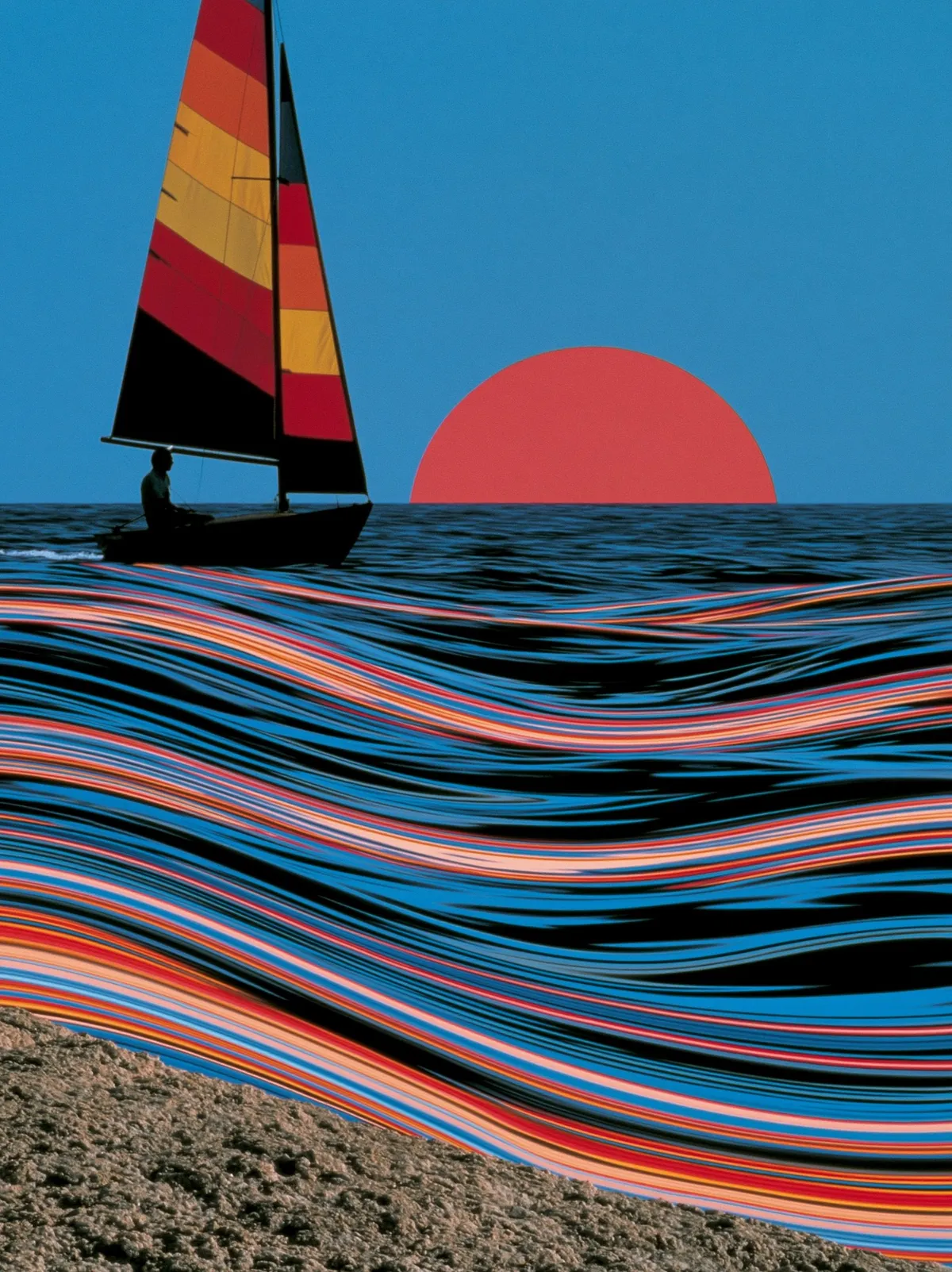
Takeaway. Each vibe targets a precise audience — bold nature and travel niches, dreamy aesthetics, retro coastal. Choosing a vibe is already choosing who you're talking to. MintMerchs organizes styles into families — by ambiance, product type and colors — so you filter vibes for your niche instead of searching blind.
FAQ
What is vibe design for merch, in one sentence?
It's designing your products from a visual ambiance defined in advance (a "vibe") rather than a different prompt each time, to get a consistent catalog that's fast to produce.
How is it different from a plain Midjourney prompt?
A single prompt produces an image; a vibe produces a collection. Vibe design locks the style once, so all your visuals stay consistent even when you change subjects.
Does vibe design limit my creativity?
No, it channels it. You keep total freedom over the subjects you treat; you only fix the visual world. That light constraint is what builds a strong brand identity instead of a patchwork.
How many vibes should a shop use?
Ideally one vibe per collection. You can run several collections for several niches, but avoid mixing styles within one line — consistency is what builds trust and sells.
Vibe design is the shift from tinkering image by image to producing a real collection: define an ambiance once, decline it endlessly, and your catalog gains consistency, speed and identity. Pick a vibe and apply it to your niche. Browse MintMerchs styles.